
Hand-Building
Pinch pots, coils, and slabs let you make work with no wheel and very little equipment.
Read article →Plain-language reference notes on hand-building, glazing, and firing clay at home. Written for people taking their first studio classes or setting up a small workspace in a Canadian apartment or garage.
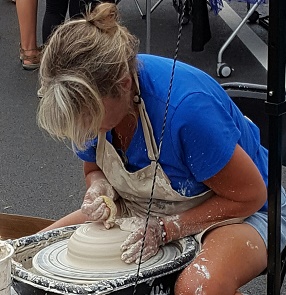
Most home potters start with the same questions: how to shape clay by hand, how glaze actually works, and what happens inside the kiln. These notes cover each in order.
Pinch pots, coils, and slabs let you make work with no wheel and very little equipment.
Read article →
How dipping, brushing, and pouring change colour, texture, and whether a piece holds water.
Read article →
Bisque versus glaze firing, cones, and why a slow first firing matters for thicker walls.
Read article →A single object usually passes through these stages. Each one has its own drying or firing requirement, and skipping a step is the most common cause of cracked work.
Dry indoor heat in winter can dry pots too fast and unevenly. Loosely covering work with plastic slows the surface so the walls and rim shrink together.
Many beginners in cities such as Toronto, Vancouver, and Montreal start at shared community studios that rent kiln space, rather than buying a kiln first.
Most home electric kilns need a dedicated circuit. Before buying, check the kiln's rating against your panel and consult a licensed electrician.
If you spot an error in these notes or want to suggest a topic, send a message below. This form does not connect to a server; it is a simple front-end demonstration.